If you've ever cooked a feast—say, a Sunday roast with a sticky, glorious glaze—and then walked into your kitchen, you might notice a distinct, almost greasy film hanging in the air. https://messiahrlvn701.cavandoragh.org/mastering-commercial-kitchen-exhaust-duct-cleaning-compliance-sydney-your-guide-to-safety-and-peace-of-mind That scent isn't just burnt spices; it's often a combination of smoke, grease, and trapped pollutants. Your kitchen ventilation system is the unsung hero of your culinary life, working tirelessly to keep the air breathable and the smoke detector happy. However, like any hardworking appliance, it needs maintenance. Neglecting it means that grease and particulate matter build up, leading to efficiency loss, fire hazards, and, frankly, just a less pleasant smell. Understanding the proper care is crucial, and this comprehensive guide will provide you with the essential kitchen ventilation system cleaning Sydney tips you need to keep your home running smoothly and safely.
Understanding the 'Why': The Importance of Proper Ventilation Care
Many people treat their extractor fans and ductwork like they are self-cleaning organisms. Unfortunately, they are not. Over time, cooking residue, airborne oils, and moisture condense onto the metal surfaces, forming a sticky sludge. This buildup is more than just an aesthetic problem; it compromises the system's core function. A dirty system struggles to pull out smoke and steam, meaning pollutants recirculate back into your home, making your kitchen feel stale and less than fresh.
What Does Grease Buildup Really Do?
Grease buildup acts like a slow-motion disaster movie waiting to happen. It restricts airflow, forcing the motor to work harder and consume more electricity. More critically, when this accumulated grease reaches its flashpoint—often due to extreme heat from the burners—it can ignite, leading to a serious fire. It’s a critical safety concern that cannot be overlooked.
- Reduced Efficiency: The fan has to pull against layers of grime, reducing its suction power. Odor Retention: The system becomes a repository for cooking smells, which are then constantly released. Fire Hazard: The buildup acts as kindling, posing a significant fire risk.
If your ventilation unit seems to be working overtime—making a whirring, struggling noise—could the grease be holding it back?
Recognizing Warning Signs of a Dirty System
Sometimes, the system gives you clear signs that it needs attention. Pay attention to these tell-tale indicators:
- Visible Residue: You see obvious grease streaks on the filters or surrounding ductwork. Motor Overheating: The fan unit feels unusually hot during use. Diminished Suction: You notice that smoke seems to linger in the kitchen rather than being pulled out. Strange Odours: The fan emits a smell that doesn't match the food currently being cooked.
DIY Strategies: Simple Tips for Routine Maintenance
Before calling in the professionals, there are several proactive steps you can take yourself. These simple, routine tips can help you manage the build-up and prevent the problem from escalating. Remember, preventative maintenance is always cheaper (and less stressful!) than emergency repair.
Cleaning the Filters Regularly
The filters are your first line of defense, but they are also the most heavily soiled part. Most modern ranges and extractors come with washable grease filters. Cleaning these filters should be done at least monthly.
- Method: Remove the filters and soak them in a solution of warm water and a mild degreaser (like dish soap). Scrubbing: Use a stiff brush to scrub away the baked-on residue. Drying: Rinse thoroughly and allow them to air dry completely before reinstallation.
Managing Cooking Habits
Some changes in how you cook can drastically reduce the load on your ventilation system. Can a little behavioral change make a big difference?
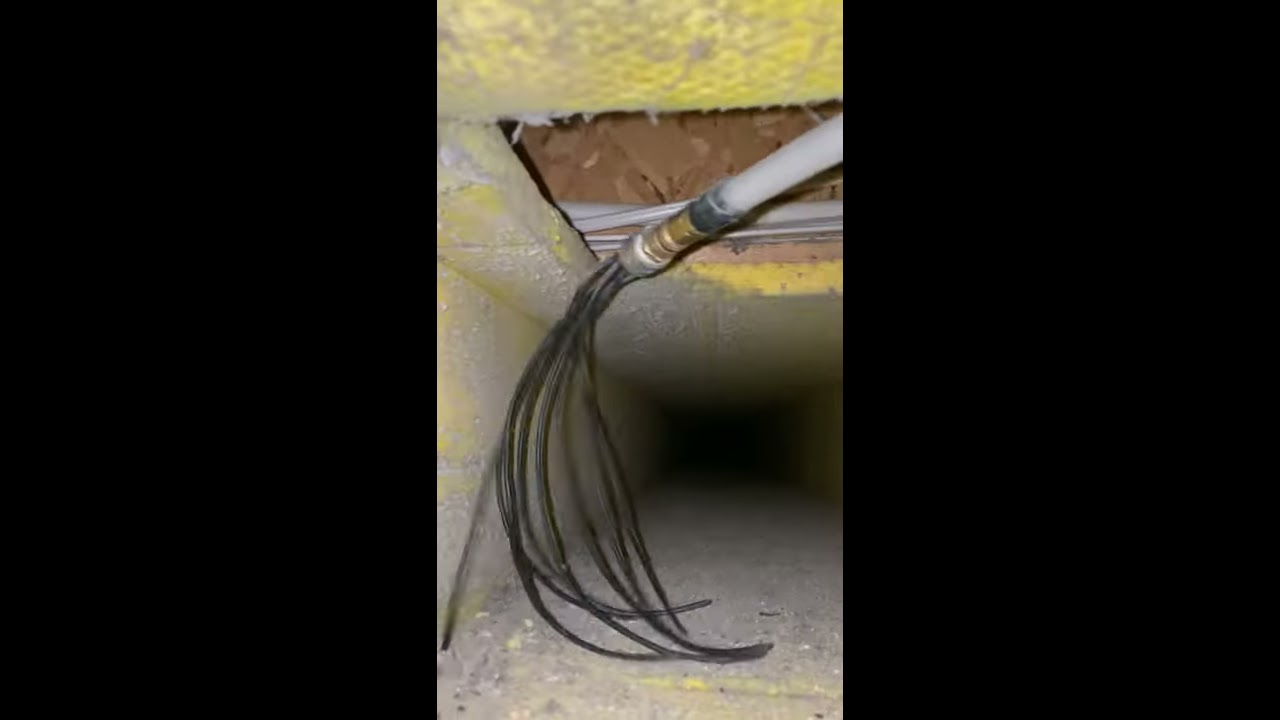
- Pre-Heating: Wipe down surfaces and grease splatters before starting to cook. Ventilation Use: Always turn the extractor fan on before you start cooking, not just when the smoke becomes unbearable. Cooking Choices: Consider using methods that generate less smoke, such as steaming or poaching, when possible.
When to Call in the Experts: Professional Sydney Cleaning Tips
While DIY efforts are excellent for routine care, the internal ductwork and motor housing are often too complex and dirty for homeowner intervention. This is where professional assistance becomes non-negotiable. When seeking kitchen ventilation system cleaning Sydney tips, remember that a professional service is essentially giving your appliance a full internal deep clean and safety inspection.
The Scope of Professional Deep Cleaning
A professional service goes far beyond simply wiping the visible filters. They typically address:

- Ductwork Cleaning: Using specialized equipment to scrub grease and residue from the entire duct network. Motor Inspection: Checking the motor for signs of wear, overheating, or electrical issues. Fire Safety Assessment: Ensuring that all grease buildup has been removed, mitigating fire risks.
Anecdotally, I once worked with a homeowner who had been using the same extractor fan for years, convinced that a simple filter wash was enough. We discovered a thick, hardened layer of grease in the main ducting—enough that it was basically a fire waiting to happen. The difference after professional cleaning was like going from a sluggish car to a Ferrari; the performance jump was staggering.
"The value of professional cleaning is that it doesn't just make things look better; it restores operational safety and efficiency."
What to Look For in a Service Provider
Since your kitchen ventilation system is integral to your home's safety and comfort, you need a reliable contractor.
- Certifications: Ensure the company is licensed and insured in Sydney. Equipment: Ask what equipment they use (e.g., industrial vacuums, specialized degreasers). Guarantee: Inquire about warranties or guarantees on the cleaning process.
Maximizing Air Quality Beyond the Fan
A clean ventilation system is a massive step, but it’s only part of the equation. To truly master your indoor air quality, you need a holistic approach.

Air Filtration and Humidifiers
Consider integrating supplementary air purification methods. High-quality air filters (like HEPA filters) can capture microscopic particles that the ventilation fan might miss. Furthermore, monitoring humidity levels is key. If your kitchen is constantly overly humid, it can encourage mold and mildew buildup, which affects both air quality and the appearance of your ventilation components.
The Importance of Maintenance Scheduling
How often should this deep cleaning happen? While usage rates vary, it is generally recommended to have a professional deep clean of your kitchen ventilation system every 6 to 12 months, especially if you cook frequently or use high-smoke-output cooking methods (like deep frying).
If you treat the cleaning like an annual check-up—a necessary part of your home's maintenance budget—you ensure that your ventilation system always operates at peak performance. Are you willing to let a critical safety feature operate on assumption rather than verified maintenance?
Sustaining Peak Performance in Your Kitchen
Maintaining a sparkling clean and highly efficient kitchen ventilation system is a continuous effort, not a one-time fix. By integrating regular DIY filter cleaning with periodic professional deep cleaning—using these kitchen ventilation system cleaning Sydney tips as your guide—you are doing more than just removing grease. You are safeguarding your home, protecting your appliances, and ensuring that the air you breathe while cooking is as fresh as the ingredients you are using.
Making your selection for a service provider that understands the intricacies of kitchen ventilation is an investment in your safety and comfort. Don't wait for the sticky residue to become a serious problem. Take control of your air quality today, and let your kitchen shine as bright and fresh as the meals you create.